What We Do
Preserving vital landscapes is an important part of the work we do at Barrington Area Conservation Trust. 95% of the land in Illinois is private property. Through conservation easements and heritage corridors, BACT and other land trusts in Illinois are able to help protect open spaces and conservation values of land on private property.
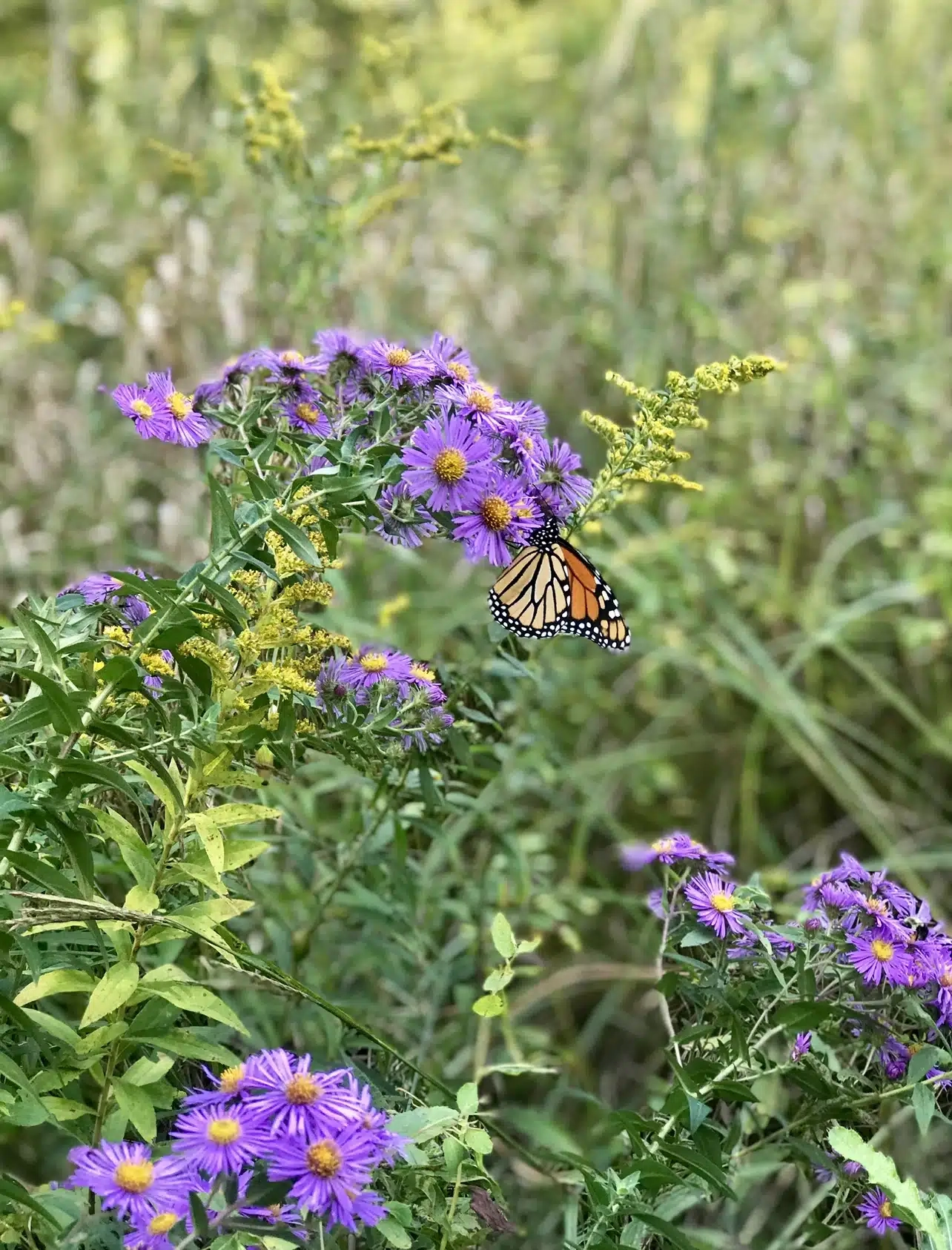
How do you benefit from land conservation?
Open lands are the key to a healthy and secure future for all Americans. While climate change is already upon us, land conservation is one of the most successful strategies that communities can take to prepare for the growing threat. Trees, native vegetation and wetlands filter air and water. In fact, forests, prairies and other natural habitats sequester absorb approximately 15% of the United State’s carbon dioxide emissions, keeping it from the earth’s atmosphere. In addition to absorbing carbon, woodlands and urban forests also measurably cool urban areas. Conserved, well-managed land also provides protection from the large volumes of rainwater that increasingly falls in sporadic, large deluges. Our community loses these benefits when open land is converted for development.
In addition to health and food benefits, conserving land increases property values. Research shows that land conservation adds an economic value by boosting local economies, saves money on healthcare, filters drinking water, provides natural disaster mitigation and more.
- Protecting community resources that come from the land, including water, food security, wildlife and places for recreation and reflection
- Promoting stronger local communities by giving citizens the knowledge and support they need to reach out and work with their neighbors to protect the local places they need and love
- Serving as a part of a national community of land trust staff, volunteers, members and advocates committed to private land conservation across the country
Across the country, local citizens and communities have joined together to save the places they cherish by establishing land trusts. These non-profit, community-based conservation organizations acquire and protect land for the public good. Strong land trusts provide local communities with effective champions and long-term caretakers of their critical land resources.
The nation’s 1,700 + land trusts work with communities to acquire and manage land for the purpose of permanent conservation and then steward the land for public benefit. The land trusts are on the front lines with their local communities to help them save America’s land heritage.
Over the years, land trusts have been extraordinarily successful, having protected more than 56 million acres of land, according to the National Land Trust Census.
What are Conservation Easements?
Conservation easements allow homeowners to preserve their land while continuing to own it.
This legal agreement between a landowner and BACT limits the use of land to ensure that the conservation goals for the property are permanently upheld. Goals might include limiting development rights or the right to subdivide for landowners. Each easement is individually tailored to meet conservation objectives and the needs of the landowner. An easement can include all or a portion of the landowner’s property. The Barrington Area Conservation Trust ensures that all future owners honor the terms of the conservation easement.
Conservation easements often qualify the landowner for income tax, estate tax and property tax reductions, depending on the nature of the easement. Typically, the higher the conservation values and the appraised value of the land for development, the greater the tax savings. An easement may lower the property’s market value, which in turn can lower estate taxes. Such a tax reduction can make a critical difference in the ability of heirs to keep the land intact; the alternative often has been subdividing the land to pay heavy estate taxes.
Monitoring and Enforcing Easements
In accepting a conservation easement, BACT is entrusted with the responsibility of ensuring that the terms set by the original landowners are maintained forever. Staff and resources are committed to monitor the land and ensure easement terms are followed now and into the future. BACT is prepared to legally defend an easement in the event of a violation.
BACT maintains a stewardship fund to carry out these responsibilities. We ask easement donors to contribute to this fund. In many cases, the amount of the stewardship contribution is more than offset by the tax incentives for donating the easements.
How Conservation Easements Benefit the Community
Private property subject to a conservation easement remains in private ownership. A conservation easement does not grant the public access to the homeowner’s property – unless the homeowner specified this in the easement.
Even though easements are placed on private land, significant public benefits can accrue. Conservation easements can contribute to improved water quality and often are designed to protect aquifers and watersheds. They can protect a community’s scenic beauty, vistas, and open space. They are used to buffer nature preserves and other public lands, keeping development away from boundaries, preserving scenic entrances and giving wildlife habitat an “overflow” outlet onto private land.
It would be our pleasure to start the conversation about conservation protection on your land.
Please call 847-387-3149 or email us.
Our Properties
Katie’s Marsh
Ridge Rd, North of Lake Cook Rd & south of Oak Knoll Rd, Barrington
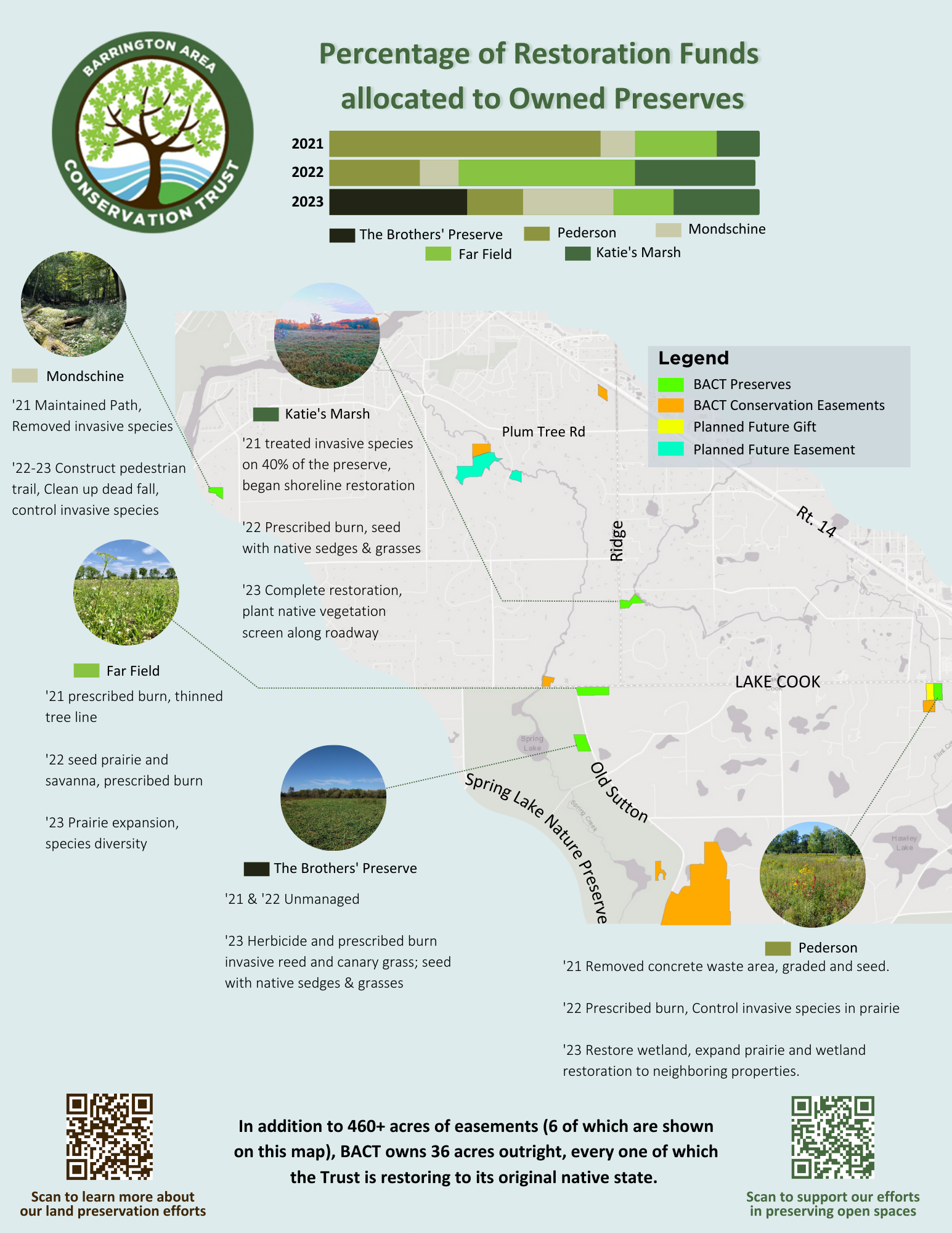
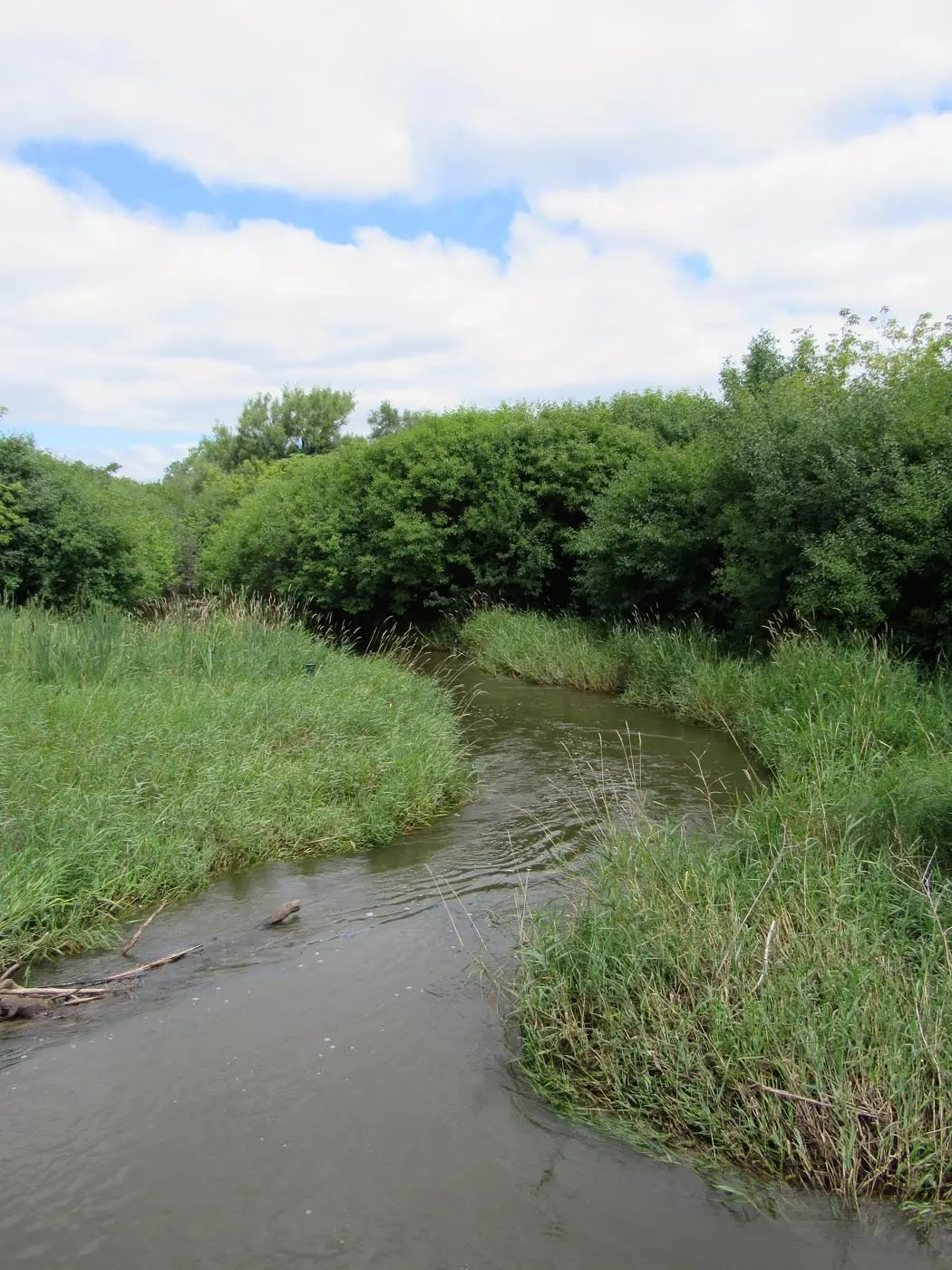
Scot and Tiffany Thomas donated 6.7 acres of their sprawling property to BACT in honor of Scot’s daughter, Katie. Katie’s Marsh is primarily a wetlands with Flint Creek running through the property. It serves an important function for the area as stormwater storage, as well as filtering water through the area. As part of the Chicago Region Trees Initiative buckthorn eradication and native screening plant program, BACT removed buckthorn along Ridge Road and planted a variety of native plants.
Far Field Nature Preserve
W County Line Rd & Old Sutton Rd, Barrington
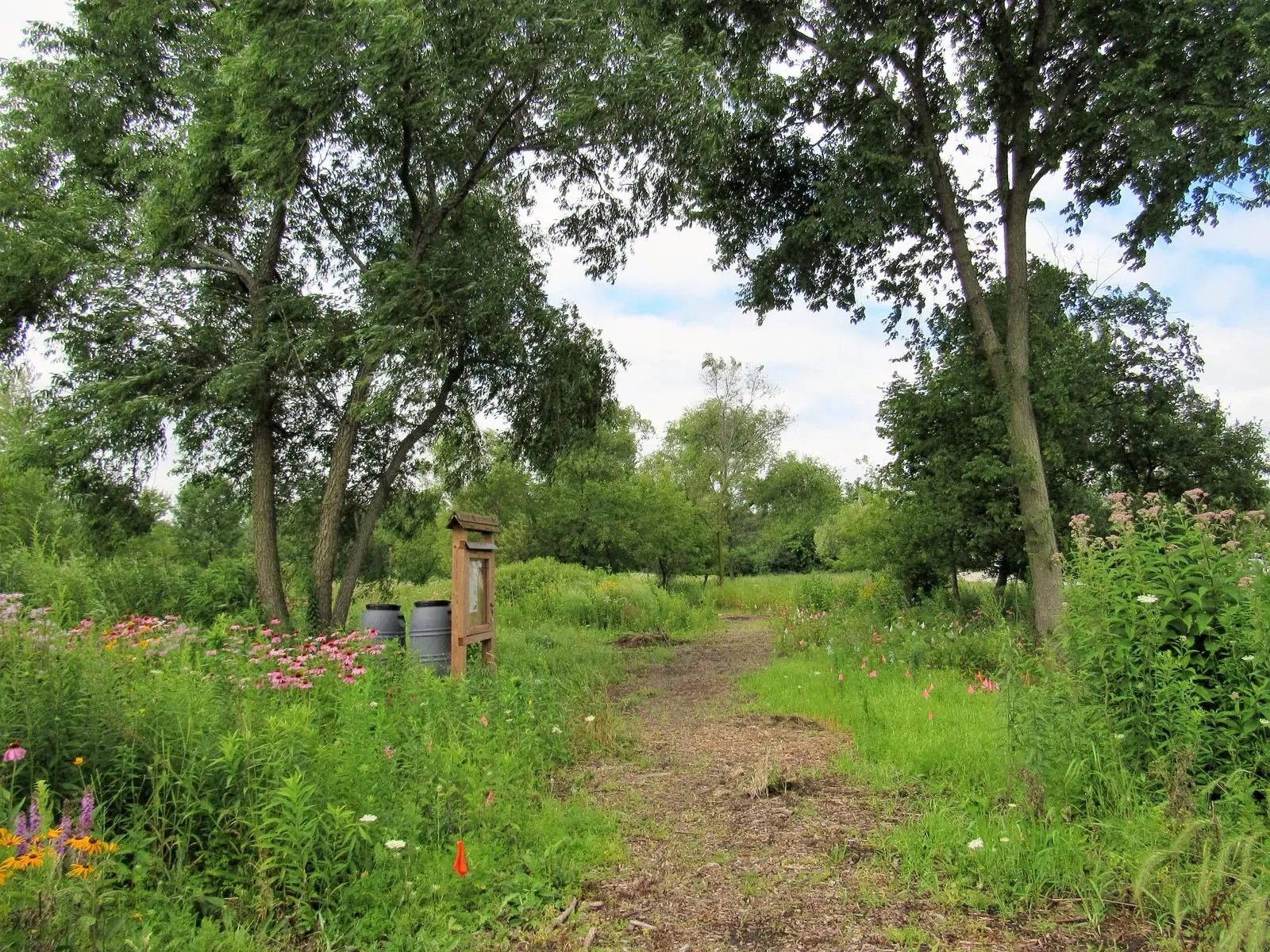
Far Field Nature Preserve is a 12-acre natural area located in Barrington Hills that was donated to BACT in 2014. The long-term stewardship goal for this property is to convert this former soybean field back to an oak savanna and mixed hardwood woodland. Restoration has included removal of woody invasive plants from 3 acres of woodland, replanting the woodland with oak native trees, shrubs, flowers and sedges, over seeding the savanna and conducting prescribed burns of the savanna. Thank you to Illinois Clean Energy Community Foundation for their grant support.
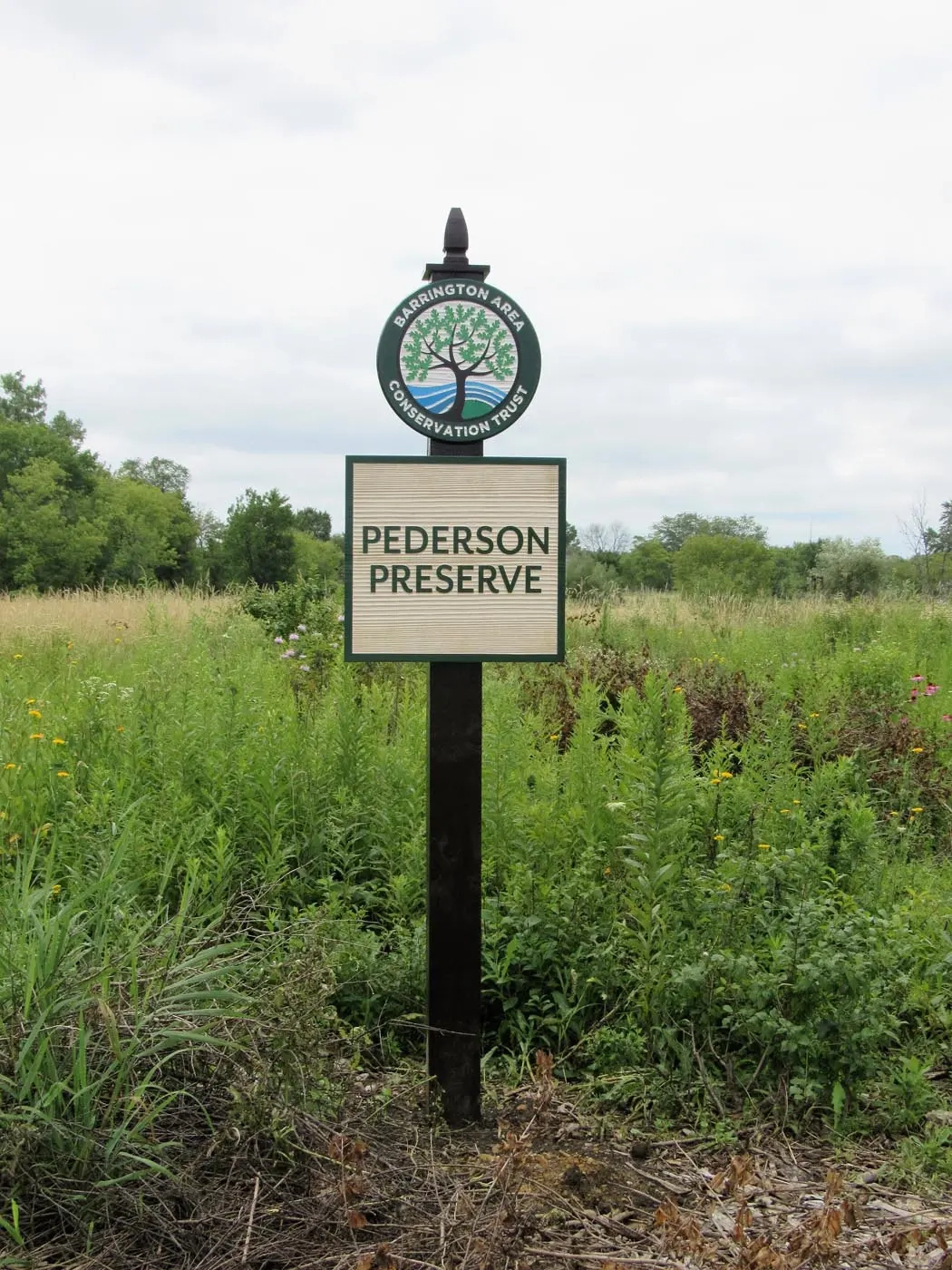
Pederson Preserve
Hart Rd & W County Line Rd, Barrington
Pederson Preserve is a 5.6-acre parcel of land adjacent to Flint Creek at the southwest corner of Lake-Cook and Hart Roads which connects more than 20 acres of prairie and wetlands owned by PepsiCo Research and Development Technical Center to the east with another five-acre conservation easement held by BACT to the west.
Funds were provided by a generous grant from Frederica “Freddie” Smith Pederson and BACT’s “Save Our Countryside” Fund to purchase the property. The property is named the “Pederson Preserve” in honor of Freddie’s late husband, Keith Pederson, who was a distinguished Barrington citizen.
The Brothers’ Preserve
Ridge Rd, North of Lake Cook Rd & south of Oak Knoll Rd, Barrington
In 2011, Stephen, Christopher, David and Harold Byron Smith donated this 8-acre property to the Barrington Area Conservation Trust. This donation serves as a buffer property to the Spring Lake Illinois Nature Preserve, designated as one of the highest quality nature preserves in the state.
The Spring Lake preserve is part of the nearly 4,000 acre Spring Creek Forest Preserve, owned by the Forest Preserve District of Cook County, which has been identified as an Important Bird Area by Audubon Chicago Region. The preserve is home to threatened grassland and shrubland bird species including Henslow Sparrow, Dickcissel, Bob-o-link, and Eastern Meadowlark. The Brothers’ Preserve adds additional breathing room for these birds that require significant open space in order to breed.

Jack David Mondschine Wildlife Conservation Area
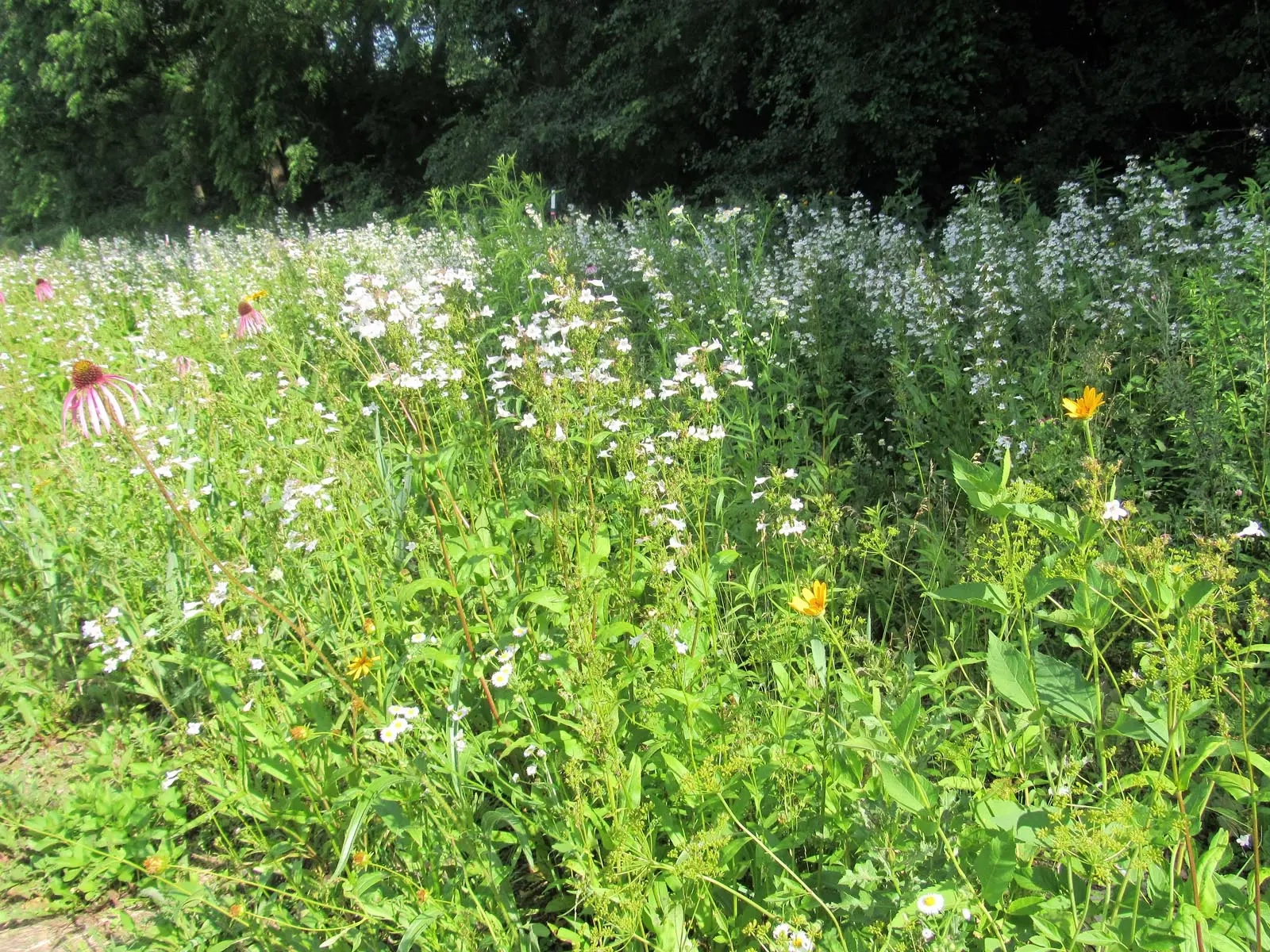
Jack David Mondschine Wildlife Conservation Area is a 5.28-acre wooded ravine with an intermittent stream corridor located on the northwest edge of Barrington Hills. Naming the preserve in honor of her father, donor Jenese Busch saw it as “a place where animals can freely come and seek shelter without fear of being injured by human activity.”